*Inventory fluctuates daily. Call to verify exact board foot quantities.
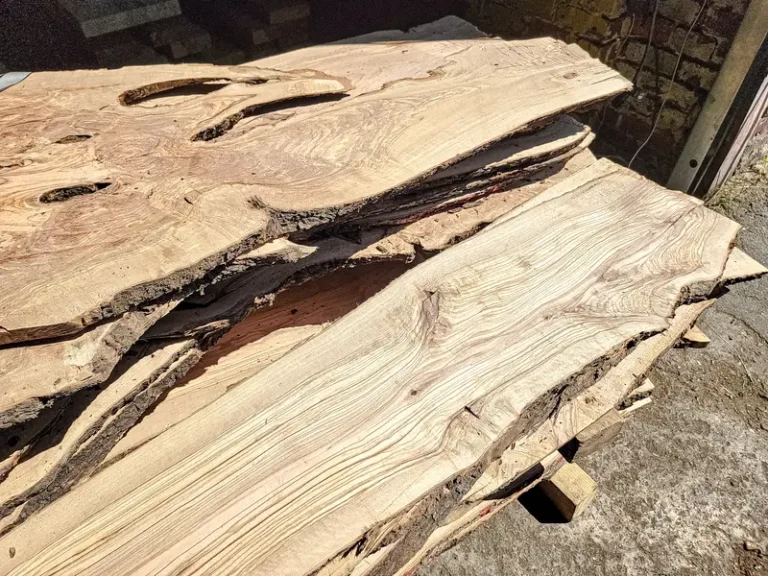
Because every board is unique, we do not sell directly online. Contact us to get pricing or have us pull the perfect stack for you.

Janka Rating: 840 lbf — This relatively low hardness rating indicates Spanish Cedar is a soft wood, making it easy to work with hand and power tools. While not as durable as harder woods for heavy-duty applications, its softness allows for minimal tool wear and is perfect for intricate detailing.
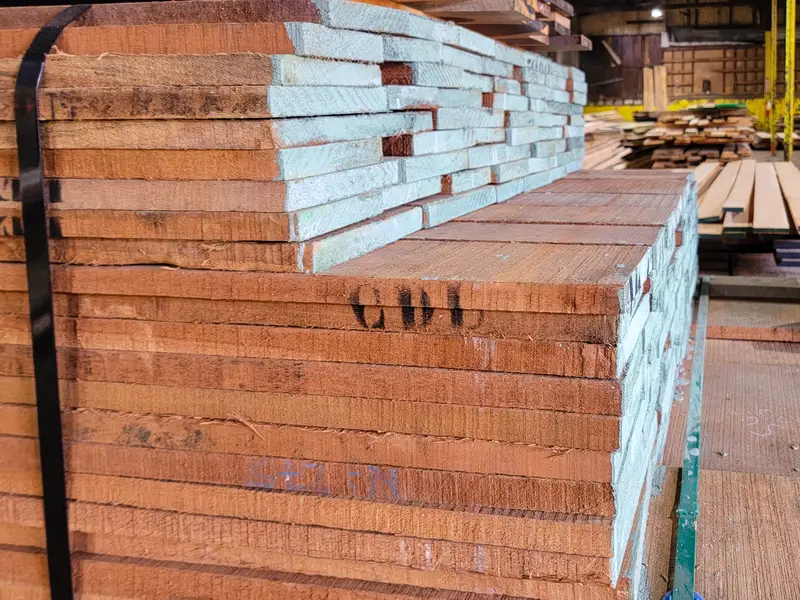
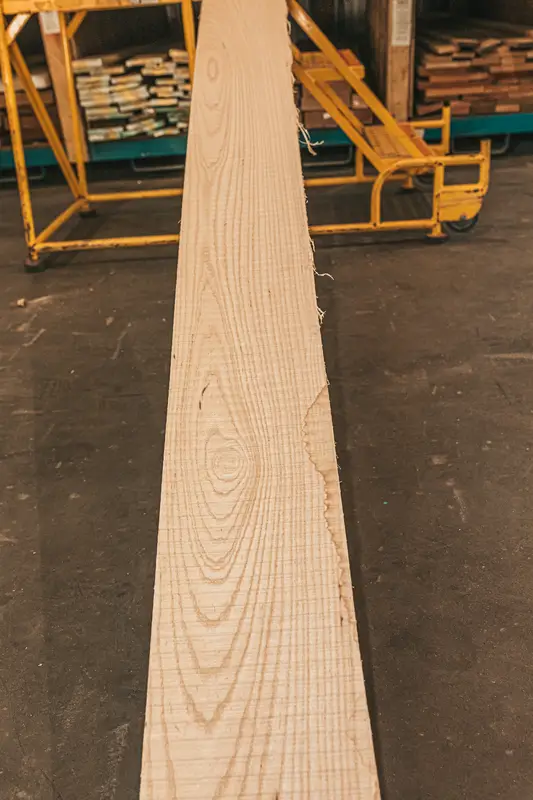
Spanish Cedar features a heartwood that ranges from a pale pinkish-brown to a deeper reddish-brown, with a clear contrast to the lighter sapwood which is typically a pale yellow. The grain is generally straight but can be interlocked, creating a subtle ribbon-like figure. The wood has a fine, even texture and often displays a faint, attractive sheen when finished. Its natural beauty and the pleasant aroma it emits when worked make it a standout choice for visible projects.
Spanish Cedar machines exceptionally well, with minimal tear-out due to its fine texture. It glues readily with standard woodworking adhesives and accepts stains and finishes evenly. However, because of its softness, it can be prone to dents and scratches if not handled carefully. When sanding, use a progressive sequence starting with a coarse grit and finishing with fine grits to avoid surface damage. Its natural oils can sometimes interfere with finishes, so a pre-stain conditioner is recommended for a uniform finish.
Common uses for Spanish Cedar include the construction of cedar chests, closets, and armoires due to its natural insect-repellent properties. It is also popular for making cigar boxes, musical instruments (like guitars and flutes), and decorative cabinetry. Its light weight and resistance to decay make it suitable for outdoor furniture and boat building. Additionally, it is often used in woodworking projects where a fragrant, aromatic wood is desired, such as in the creation of scent diffusers and aromatic boxes.